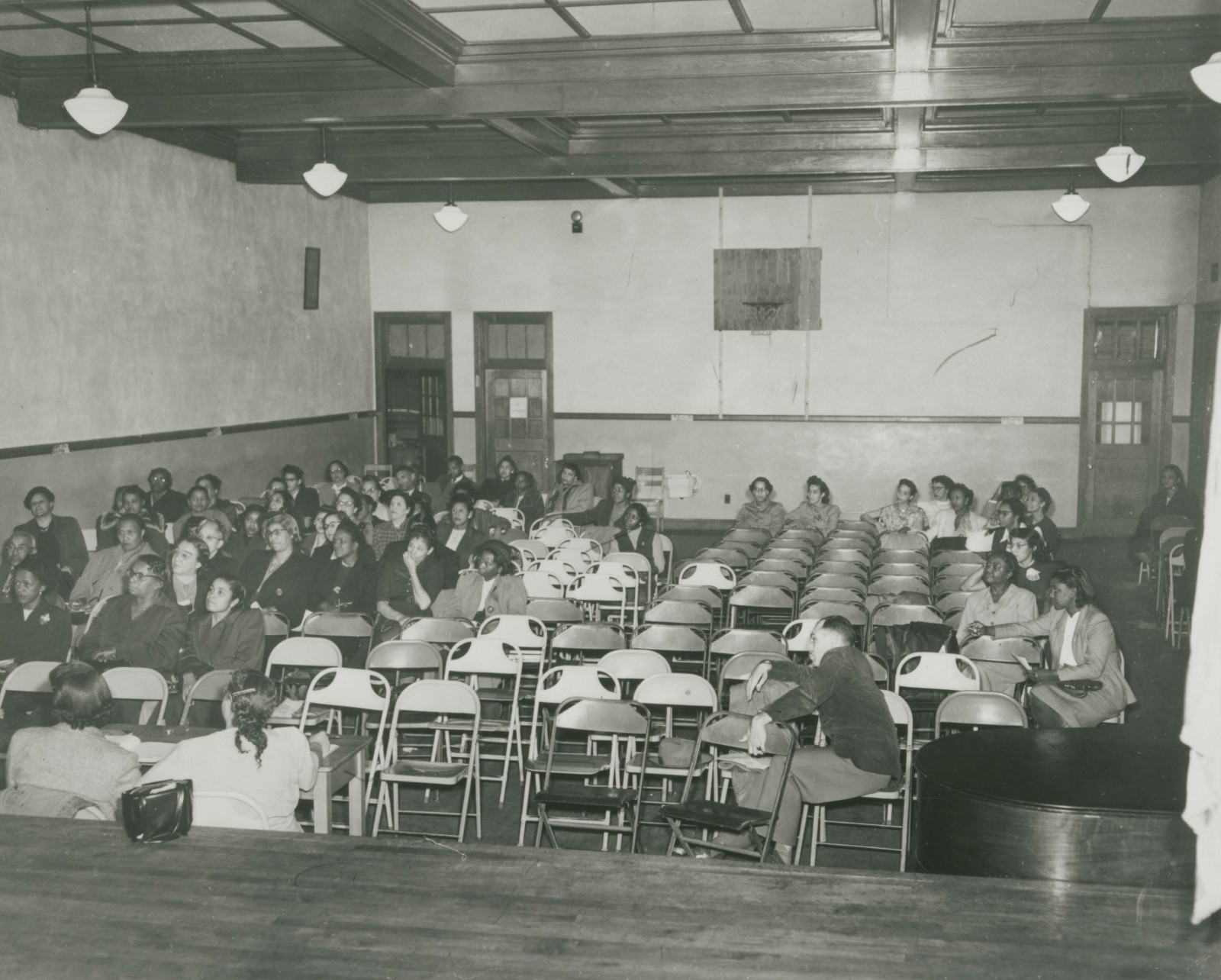
The Lie Written Into Law: What Separate But Equal Actually Looked Like
Sep 28, 2026 Jeff Baxter 0 Comment Black schools Jim Crow South, Brown v Board of Education schools, civil rights education history, Jim Crow education inequality, Plessy v Ferguson education, school segregation history, segregated schools conditions, separate but equal history, Through His Lens documentary Other ProjectsThe phrase separate but equal has a certain legal tidiness to it. Four words. A comma in the middle. The suggestion of balance, that what is divided can still be fair, that what is separated need not be unequal. It is the kind of language that works beautifully in a courtroom argument or in the press and fails completely when you walk through the door of a Black school in the American South in 1950 and look at what is actually there.
What was actually there was nothing like equal. Everyone involved knew it.
The Numbers Tell Part of the Story
South Carolina, Black children attended schools without running water, flush toilets, or electricity. In Clarendon County, $149 was spent per year on each white student but only $43 on each Black student. That is not a gap. That is a declaration, a statement written in budget figures about whose children mattered and whose did not.
Black schools were often older, smaller, and lacked essential amenities like indoor plumbing, heating, libraries, and laboratories. Textbooks were frequently hand-me-downs from white schools, outdated and insufficient. The books Black children learned from were the books white children had already finished with. The message embedded in that practice, about whose education was primary and whose was an afterthought, was not lost on the children receiving those books.
The Buildings Tell the Rest
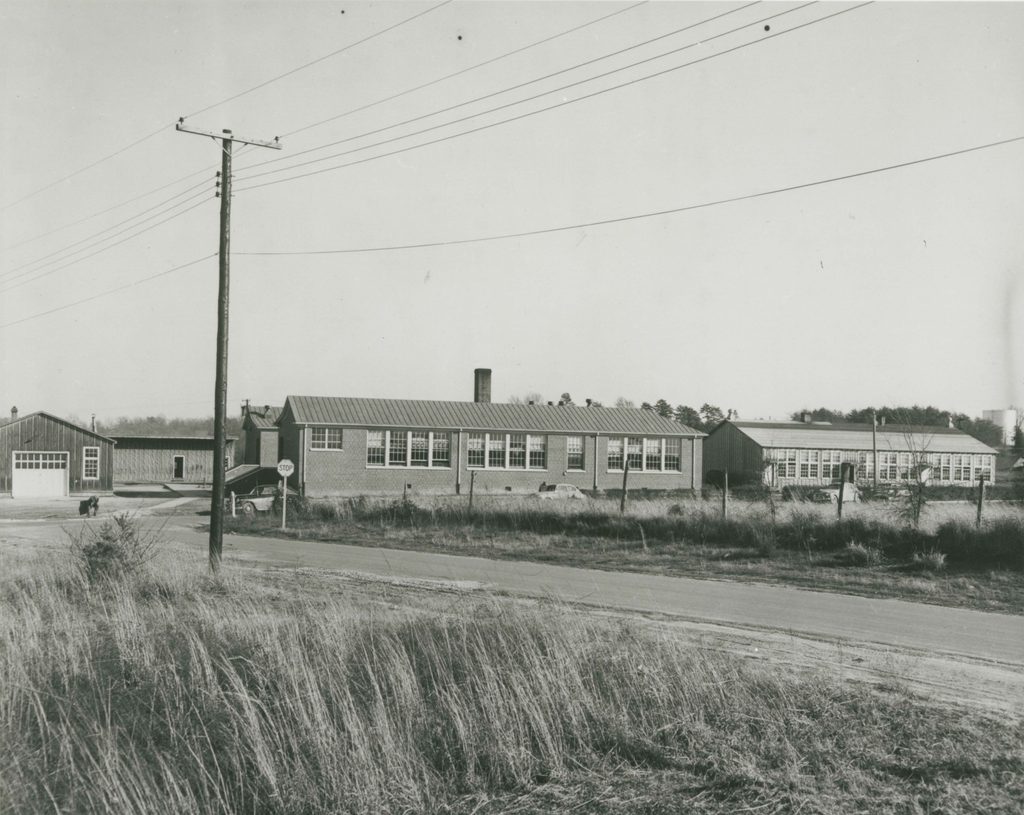
In Clarendon County, South Carolina, the community where Harry Briggs and twenty other parents filed the lawsuit that would become one of the five cases consolidated into Brown v. Board of Education. Black school buildings were wooden structures that bore no resemblance to the brick buildings white children attended. Some Black children in that county walked nine miles each way to reach those buildings. White children rode on buses.
In Virginia, 16 year old Barbara Johns led her fellow students in demanding larger classroom spaces, better teacher pay, and more facilities including a gymnasium like the nearby white high school in the same county. The students of Robert Russa Moton High School in Farmville were being educated in a building so overcrowded that the school had erected tar paper shacks in the yard to handle the overflow. The white high school down the road had a gymnasium, a cafeteria, and a science laboratory. Moton had none of those things. Both schools existed in the same county under the same doctrine of separate but equal.
The Lie Beneath the Language
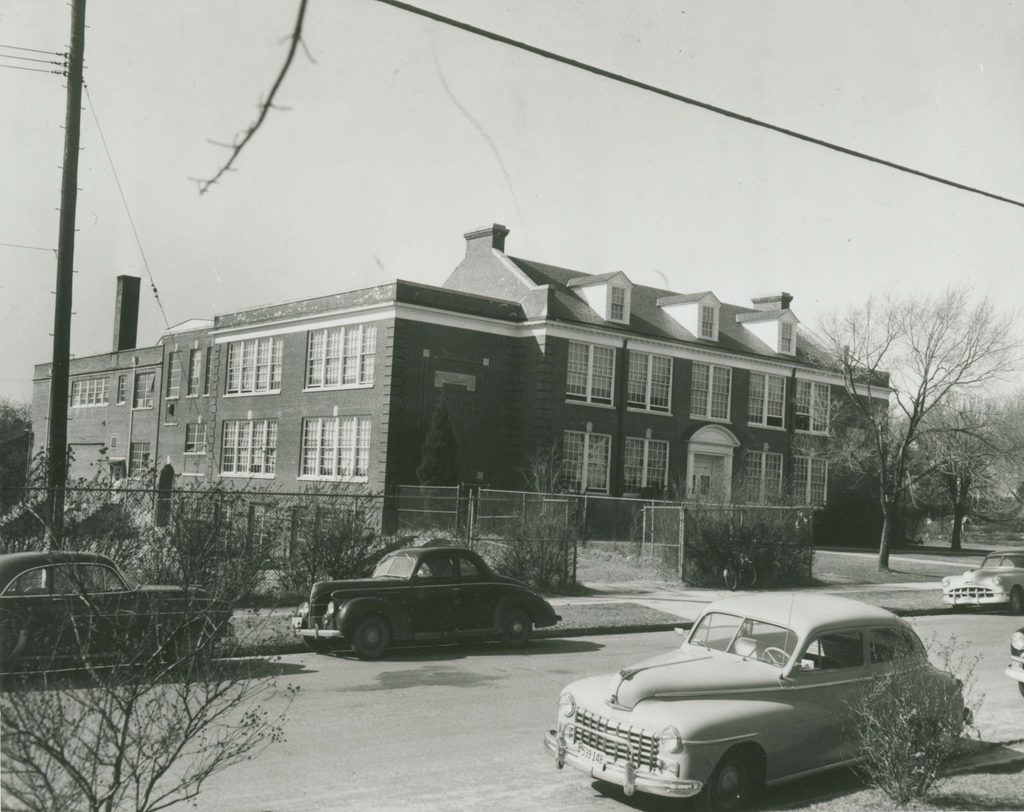
In print, segregation was legal as long as the facilities were of equal standard. In practice, Black children were forced to learn in overcrowded, underfunded, and dilapidated facilities with outdated textbooks and fewer resources than white institutions. The doctrine of separate but equal was never designed to produce equality. It was designed to produce the appearance of a legal framework while the actual distribution of resources continued exactly as it always had.
This is what the NAACP Legal Defense Fund, led by Thurgood Marshall and his team including Robert L. Carter, was determined to make visible before the Supreme Court of the United States. Not just the legal argument. The reality. The tar paper shacks. The missing toilets. The hand-me-down textbooks. The nine mile walk. The $43 against the $149. The evidence that separate had never been equal and was never intended to be.
The documentary Through His Lens examines the cases, the communities, and the people who looked at that reality and refused to accept it as the final word on what American children deserved. The lie was written into law for decades. It took extraordinary courage from ordinary people to write the truth in its place.
Through His Lens is currently in production. For more information contact Dr. Scott Glenn